You are three hours into the reception. The signature cocktail is gone. The only non-alcoholic option left is a plastic pitcher of juice that has been sitting out since cocktail hour. Guests who are not drinking start asking for water, and the bartender keeps shaking the same two drinks for everyone else.
That gap is a staffing and production problem, not a flavor problem. Non alcoholic wedding drinks need the same plan as the bar. You need a guest count, a prep window, a decision on what can be batched, a named person on the station, and a backup pour for when the first batch runs out.
The ten formats below were chosen for that job. Some hold from a dispenser across a full reception. Others only work with a dedicated station. A few are welcome drinks and should not try to carry the whole night.
Demand is no longer a side request. The IWSR's 2024 strategic study of 10 major markets found that the number of consumers buying no-alcohol products increased by 61 million between 2022 and 2024. It projects 7% annual volume growth for no-alcohol products through 2028, with United States no-alcohol volume forecast at an 18% CAGR from 2024 to 2028. Your list already includes designated drivers, pregnant guests, younger attendees, and people who do not want alcohol. Match the format to headcount and staff, then stop treating juice as the plan.
## Table of Contents - 1. Ceremonial Matcha Latte Bar - What slows the line - 2. Sparkling Matcha Spritz - Service rules that keep it bright - 3. Virgin Mojito Station - 4. Hibiscus Agua Fresca - Keep the color, lose the sludge - 5. Cold Brew Coffee Bar - Label it like a bar, not a coffee urn - 6. Kombucha Bar - 7. Alcohol-Free Sparkling Wine Toast - Avoid the mix-up - 8. Ginger Mule Mocktail - 9. Cucumber Mint Infused Water Station - Place it where people already stand - 10. Sparkling Lemonade Bar with Flavor Add-Ins - How the ten non-alcoholic wedding drinks compare for planning - Build Your Wedding Drink Menu Around Service, Not Just Flavor
1. Ceremonial Matcha Latte Bar
A ceremonial matcha latte bar is a made-to-order station, not a pitcher. The barista sifts ceremonial-grade powder, whisks it with hot or cold water, then builds the cup with steamed or cold milk and a measured sweetener. It works in any season, and whisking each pour keeps the taste from drifting the way a premixed green latte does by hour three.
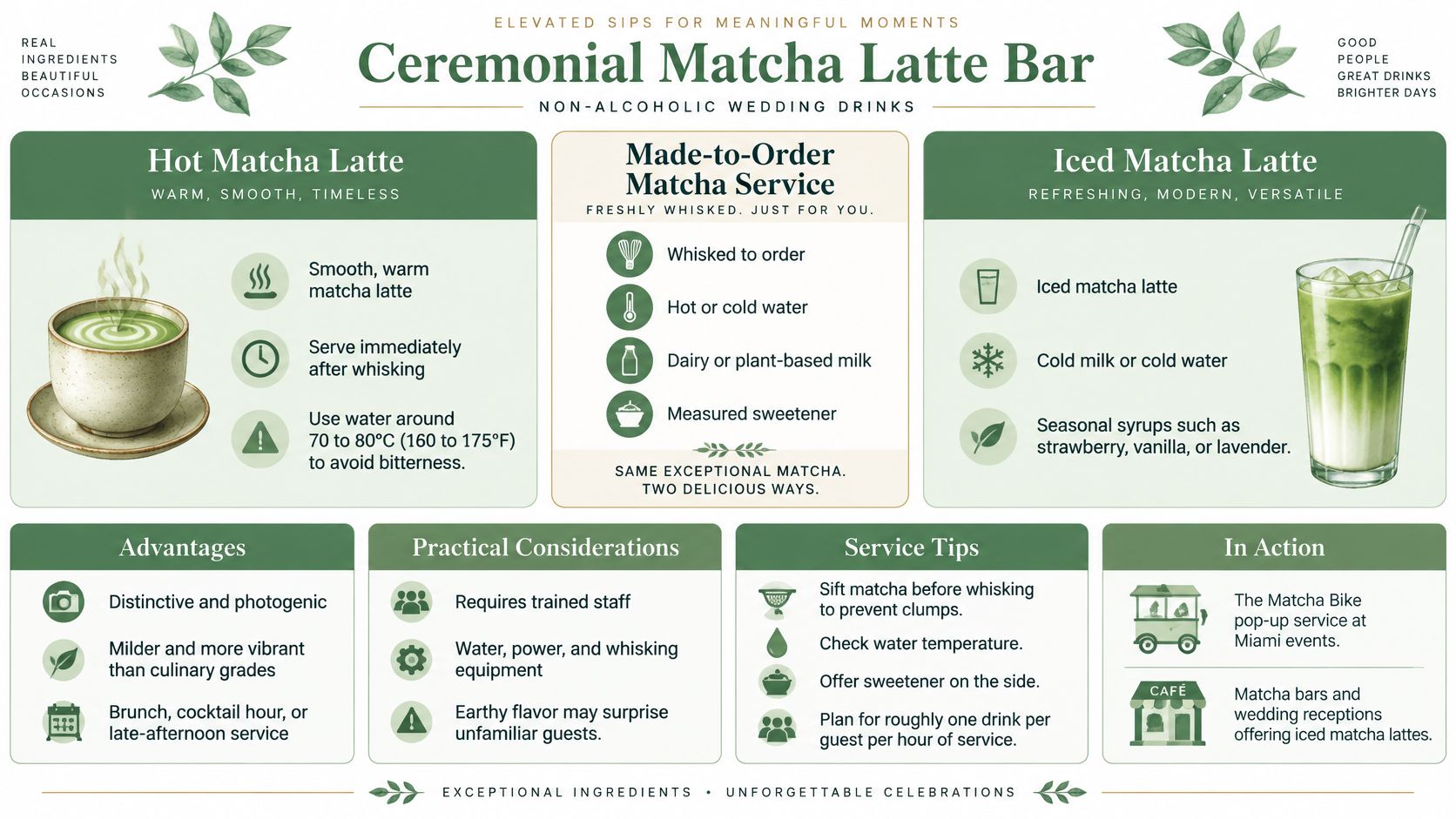
Say you have 80 guests and a four-hour reception. One person whisking alone will not clear the rush after the ceremony and again after dinner. I would book this as a short-menu signature station, with pre-portioned tins and a second person on milk and cups, not as the only drink on site.
What slows the line
- Sift before you whisk: Clumps stall the queue and taste chalky.
- Keep hot water around 70 to 80°C (160 to 175°F): Hotter water turns the cup bitter.
- Offer sweetener on the side: Guests set their own level, so you stop remaking drinks.
Sensory quality is the main barrier. Research drawing on 20,473 participants in the 2022 Global Drug Survey found that 64.4% named sensory shortcomings as the leading reason they held back from alcohol-free products, ahead of price at 25.4% (Journal of Sensory Studies). A written spec for dilution, sweetness, temperature, and glass fixes more complaints than a longer menu.
Watch a whisk-to-order pour before you lock the station into the timeline.
A compact whisk station such as The Matcha Bike keeps powder, milk, and cups in one setup, so you are not borrowing the venue espresso machine at the worst moment.
2. Sparkling Matcha Spritz
A sparkling matcha spritz suits a warm welcome better than a long, made-to-order bar service. The key trade-off is freshness: whisk and chill the matcha concentrate ahead, then add sparkling water, measured citrus, and any floral syrup only as each glass is served. Carbonating a batch early leaves guests with a flat drink.
Many couples include alcohol-free options at weddings, and a spritz gives guests a more considered alternative to a tray of juice. Keep the menu focused: one signature welcome drink is easier to serve consistently than several variations. The drink menu at The Matcha Bike's event service can be shaped around the event, with a custom menu and flavors, branded cans and cups, and a compact, self-contained setup.
Service rules that keep it bright
- Add bubbles at the pass: Pour sparkling water as each drink is assembled. A pitcher prepared in advance loses its fizz.
- Test citrus in a small batch: Too much lime masks the matcha; too little leaves the flavor grassy. Set a measured amount before service.
- Use a clear glass: The color is part of the presentation, and a colored tumbler hides it.
Practical rule: Serve the spritz during the welcome period, then shift to a batched option during dinner. This keeps the whisk station from becoming a bottleneck when guests are seated.
For a summer ceremony with guests waiting through photos, tray-passed spritzes can move faster than a full latte bar. Confirm who will carry and replenish the trays, and keep the sparkling water chilled nearby. Fresh bubbles improve the drink, but they also require more frequent assembly than a fully batched option.
3. Virgin Mojito Station
Mint, lime, a little sweetness, soda, and crushed ice. Guests already know the shape of the drink, which is why it holds up when half the room expects a bar and half the room is skipping alcohol.
Alcohol-free mixed drinks are older than the wellness wave. They show up as temperance drinks in Jerry Thomas's Bar-Tender's Guide (1862), and the word mocktail is generally dated to 1916, with later menu staples such as the Shirley Temple and the Roy Rogers (Wikipedia's mocktail overview). Treat the station as a real bar format, with glassware and a garnish ritual, not as a kids' backup.
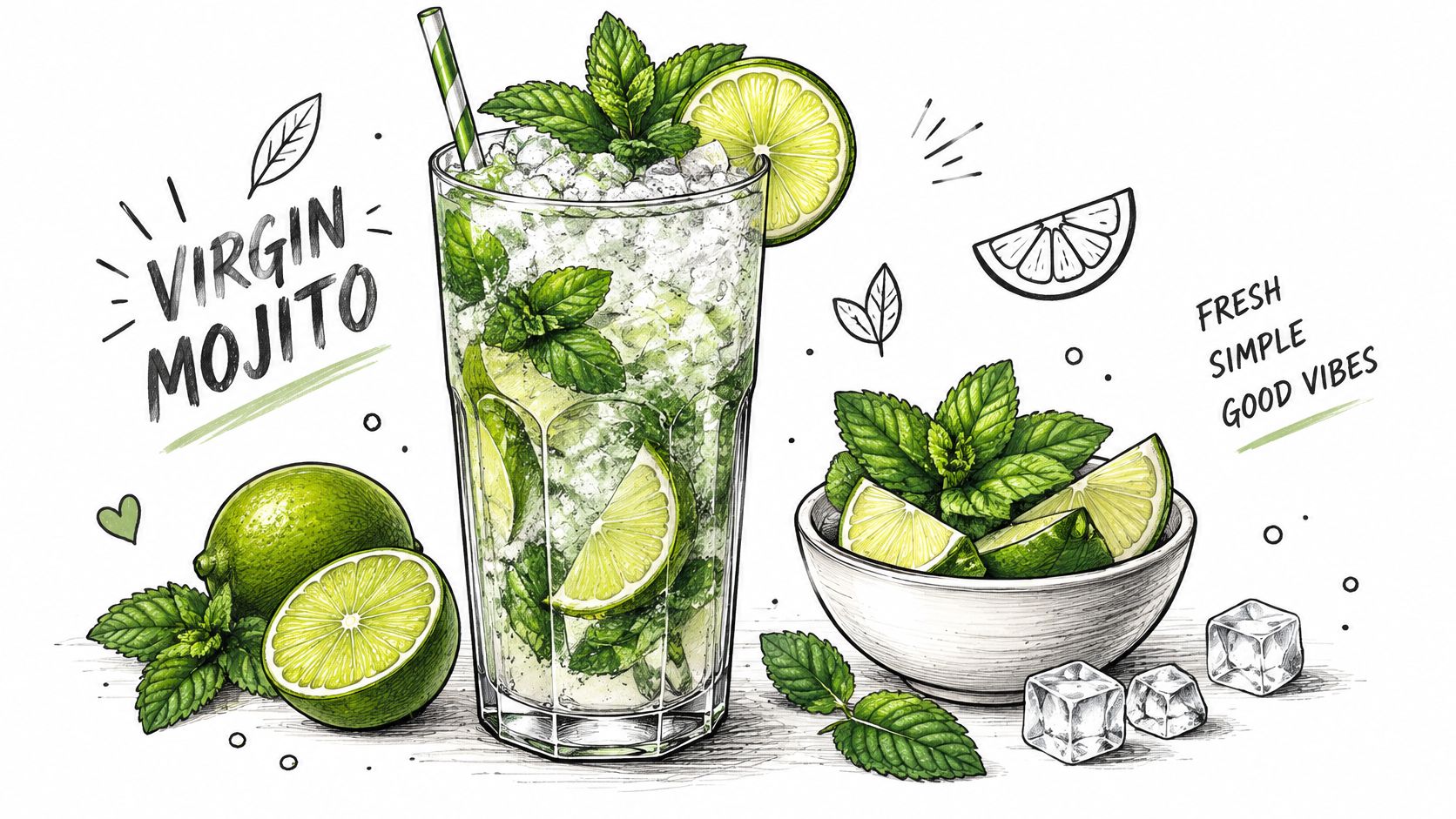
Muddling mint to order dies at 120 guests. Pre-make a mint-lime syrup, keep whole mint cold, and slap it into the glass at the last second so the aroma is still there at hour three.
- Batch the syrup, not the soda: Carbonation and crushed ice melt fast in a Cambro.
- Offer a sugar-free syrup: One pump option covers guests who want the lime without the sweetness.
- Stage extra mint in a cooler: Wilted herbs are the first thing guests notice in photos.
A Cuban-leaning or tropical reception in South Florida can run this as the workhorse cocktail while a smaller station handles the signature. It does not need a specialist. It does need ice, and a lot of it.
4. Hibiscus Agua Fresca
Hibiscus is the dispenser drink that still looks intentional. Steep the flowers, strain, sweeten lightly, chill, and serve over ice with lime. It is tart, caffeine-free, and deep red, which gives you a color break next to green tea drinks.
Say the meal is outdoor and the bar is 40 feet from the dance floor. A glass carafe on a side table lets guests pour while the mojito line is long. That only works if the batch was finished before doors, not steeped in a corner during cocktail hour.
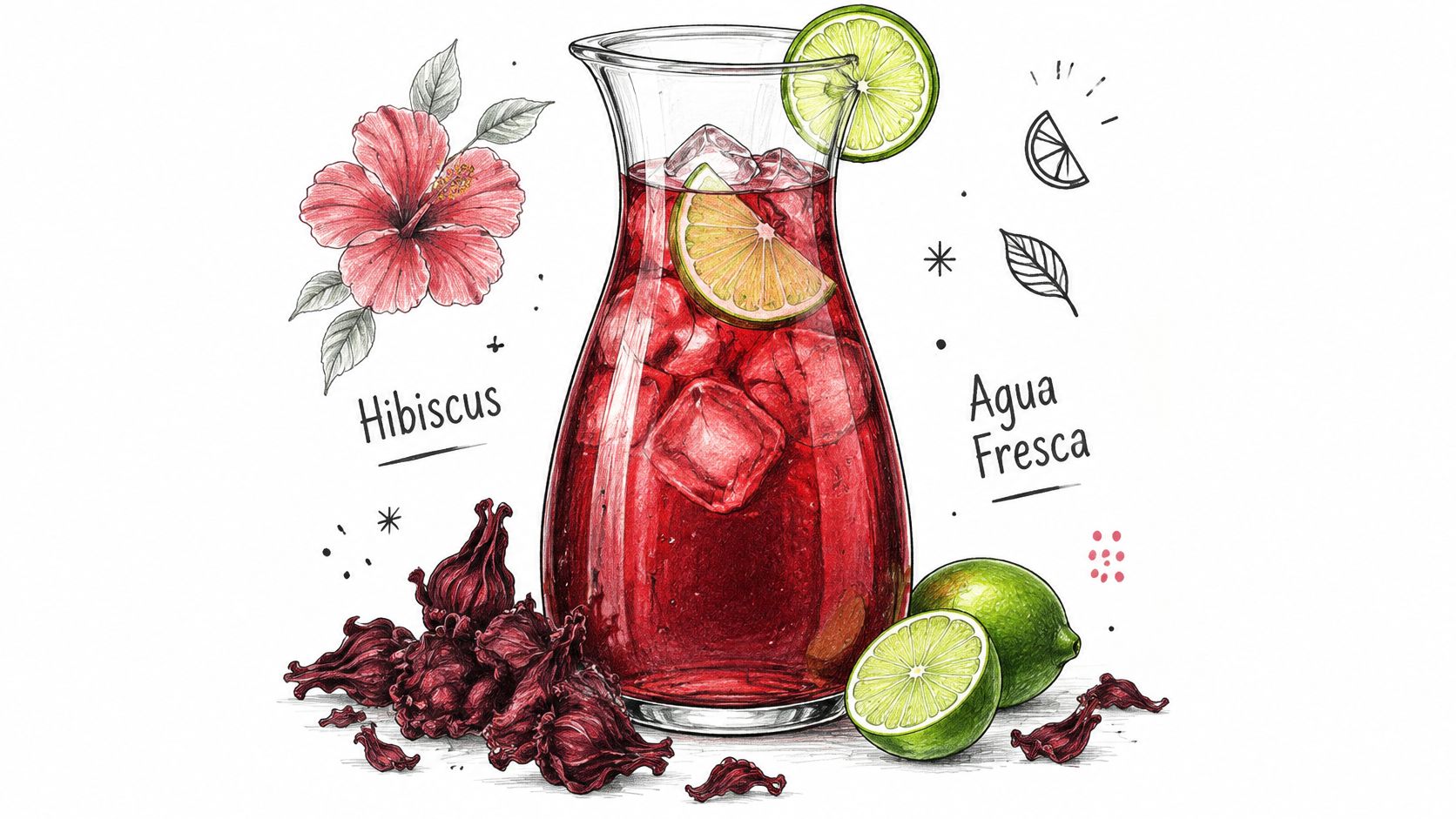
Keep the color, lose the sludge
- Sweeten after it is cold: Sugar in hot concentrate tastes heavier once the drink is iced.
- Put lime on the side: Guests adjust acid, and cut citrus does not sit in the dispenser all night.
- Use glass, not a tinted jug: The red is doing half the hospitality work.
Over-steeped hibiscus turns metallic. If the first test batch stains the tongue, dilute with cold water before you scale it, not after you have filled three dispensers.
This is a strong meal-pairing pour for Mexican and Caribbean-leaning menus. It is a weak welcome drink if you wanted something festive in a flute. Do not ask it to be the toast.
5. Cold Brew Coffee Bar
Cold brew earns its place at daytime weddings, brunches, and any reception that starts before late afternoon. You steep concentrate in cool water for many hours, dilute to a set strength, and hold it over ice with milk and one or two syrups. Acidity stays lower than hot coffee left on a burner, and a sealed dispenser does not die when the sun hits the tent.
Brew the concentrate the day before. Morning-of brewing is how you serve watery coffee to the first 30 guests and a harsh cup to everyone after lunch.
Label it like a bar, not a coffee urn
- Split regular and decaf: Unlabeled dispensers create the only complaint that is fully avoidable.
- Offer oat, almond, and dairy: One milk will not cover a mixed Miami guest list.
- Dilute to a written ratio: Concentrate poured “to taste” drifts between whoever is on the station.
A brunch wedding can open with cold brew and close the coffee station once dancing starts, then leave hydration and a zero-proof toast on the floor. Running coffee through a five-hour night usually means wasted concentrate and a sticky station nobody is staffing. I would rather end the coffee service on purpose than let it limp.
6. Kombucha Bar
Kombucha is a chilled, lightly sparkling fermented tea, usually in ginger, berry, or citrus. Guests who want something sharper than soda will drink it. Guests who wanted a cocktail will not, so do not position it as the signature.
The operational risk is alcohol, not flavor. Some bottles are fully alcohol-free. Others sit in a low but real range. Read every label before it hits the table, and say so on the menu card. A guest who is pregnant, in recovery, or driving should not have to guess.
If you cannot state the alcohol level in one plain sentence on the sign, do not pour that product.
Single-serve bottles are safer than a shared tap when your team is small. Taps look better and pour faster, but they need temperature control and someone who notices when a keg blows warm. Fruit on the rim helps the tart flavors. It does not fix a warm bottle.
Wellness mornings and workplace events absorb a kombucha tap easily. A formal toast does not. Keep it as a side station near the softer drinks, and pair it with still water so the acidity does not become the only option for three hours.
7. Alcohol-Free Sparkling Wine Toast
This is a timing drink, not an all-night dispenser. You want something guests can lift in a flute when the speeches start, including anyone skipping alcohol. Orange juice in a champagne glass does not do that job.
Chill the bottles fully. Open them immediately before the toast, not during dinner, or you will pour flat wine while people are still clapping. Put a few bottles on each table if you have a seated meal, and keep a clearly marked non-alcoholic set with the service team so nobody grabs the wrong pour in the dark.
Avoid the mix-up
- Different glass marker or foil: Staff should tell the bottles apart without reading a back label.
- One spoken cue: The emcee should say the zero-proof pour is on the table, so guests are not hunting during the speech.
- Count by table, not by vibe: A head table plus ten rounds needs a written bottle count before load-in.
Passed flutes work better than a self-serve bucket when the toast is a single moment. Buckets work when guests keep sipping after the speech, and then you are back to a sparkling program, not a toast. For a reception that also wants a staffed zero-proof station beside the speeches, wedding and private-party setups can sit next to the toast wine instead of replacing it.
8. Ginger Mule Mocktail
Ginger beer, fresh lime, and mint in a copper mug or a tall highball. The spice reads as a cocktail even when there is no spirit in the build. That is the advantage. The disadvantage is sweetness. A candy ginger soda makes a drink people abandon after three sips.
Pick a ginger beer that tastes like ginger and is only moderately sweet. Taste it warm and over ice. Ice hides sugar until the second round, which is exactly when your backup supply matters.
For a garden or rooftop wedding, pre-cut the limes, chill the mugs, and build in the glass. Copper looks sharp in photos and warms fast if it sits in a bus tub in the sun. Highballs are less fragile to transport and easier to restock from a rental order.
- Garnish at the pass: Mint on a tray for an hour becomes compost.
- Keep a still backup: If ginger beer runs out at hour three, lime and soda is a honest step-down. Mystery syrup is not.
- Skip a six-drink menu: One mule, built the same way every time, beats a build-your-own that stalls the line.
I would use this as the reception cocktail when you already have a caffeine-free dispenser and a toast wine. It should not also be the welcome drink, the dinner pour, and the late-night option. One spicy drink across five hours wears people out.
9. Cucumber Mint Infused Water Station
A cucumber mint water station gives guests a cold, low-cost option and preserves the spritz supply for people who want a flavored drink. Use filtered water, cucumber, mint, and a little citrus or berry in large dispensers. It works especially well outdoors, where steady hydration matters.
Infuse for a couple of hours rather than overnight. Citrus pith can turn bitter as it sits. Keep the dispensers in shade, and refresh the garnish midway through the event. Sun warms the water and wilts the mint.
A wedding preference study found that 23.1% of couples said a large share of their guests would not drink alcohol (Henkell Freixenet on the wedding study). Water should be planned as a high-volume service, not treated as a token pitcher. Choose dispenser capacity and refill coverage with guest flow in mind.
Place it where people already stand
- Near the ceremony exit or dance floor: Guests are more likely to refill when water is close.
- Separate from kids' juice: Adults can choose water without it feeling like the children's option.
- Use cups that match the bar: Consistent glassware makes the station feel like part of the drink service.
Family-heavy and campus-style celebrations may make this the busiest drink station. Assign someone to check the level and replenish it before it runs dry. If water runs out, guests shift to the more expensive drinks, and the bar may run low sooner.
10. Sparkling Lemonade Bar with Flavor Add-Ins
Lemonade is the family-friendly format that still takes a theme. Make a still base, keep it cold, and add sparkling water at service so the bubbles survive the first hour. Two or three syrups are enough. Lavender, strawberry, and elderflower cover most color stories without a twelve-bottle syrup flight nobody can staff.
Clear dispensers matter here. Guests choose with their eyes. A cloudy Cambro labeled in marker reads like a concession stand, even when the lemonade is good.
Say the wedding is outdoors in June and half the guests are under 25 or over 70. A sparkling lemonade bar with one herbal syrup and one fruit syrup gives both groups a drink they will finish. It also gives you a fast pour when the mule mugs are in the dish pit.
- Carbonate late: Pre-mixed sparkling lemonade is sweet flat juice by the cake cutting.
- Limit the add-ins: Every extra syrup is another bottle to lose behind the station.
- Match one color to the florals: That is enough branding. You do not need a custom logo on the ladle.
This station batches well and needs less skill than matcha or a mojito. It still needs ice, a person to top up soda water, and a plan for the last hour, when people want something cold that is not another sugary refill. I would rather close one syrup early than run all three until they taste tired.
How the ten non-alcoholic wedding drinks compare for planning
| Item | Best For | Caffeine | Prep Style |
|---|---|---|---|
| Ceremonial Matcha Latte Bar | Photogenic, customizable wedding service | Caffeinated | Whisk matcha to order; serve hot or iced with milk |
| Sparkling Matcha Spritz | Refreshing outdoor or summer events | Caffeinated | Mix chilled matcha concentrate with sparkling water and citrus |
| Virgin Mojito Station | Interactive, familiar mocktail service | Caffeine-free | Muddle mint and lime; top with soda water and crushed ice |
| Hibiscus Agua Fresca | Colorful, caffeine-free batch service | Caffeine-free | Steep hibiscus, strain, chill, and sweeten to taste |
| Cold Brew Coffee Bar | Brunches and daytime events | Caffeinated | Cold-steep coffee for 12, 24 hours; serve over ice |
| Kombucha Bar | Wellness-themed events and cocktail hour | Varies; tea-based | Serve chilled from bottles or dispensers |
| Alcohol-Free Sparkling Wine Toast | Formal toasts and celebrations | Typically caffeine-free | Chill and serve in flutes |
| Ginger Mule Mocktail | Outdoor and evening events | Caffeine-free | Combine ginger beer and lime; serve with garnish |
| Cucumber Mint Infused Water Station | Hydration at long or outdoor events | Caffeine-free | Infuse chilled water with cucumber, mint, or fruit |
| Sparkling Lemonade Bar with Flavor Add-Ins | Family-friendly events and summer celebrations | Caffeine-free | Combine lemonade with sparkling water and optional syrups |
Build Your Wedding Drink Menu Around Service, Not Just Flavor
Pick three or four drinks, not ten. I use a simple split. One signature welcome drink. One caffeine-free option for guests who do not want a buzz with their meal. One toast-ready pour. One cheap hydration station that can run out and be refilled without a crisis.
Map those to the clock. Welcome drinks live in the first hour. The meal pour has to batch. The toast is a counted bottle drop. Hydration stays up until the last song. If your only zero-proof item is also your most labor-heavy item, you will run out of it while the alcoholic bar is still fine, and non-drinkers will notice.
Write the quantities from guest count and hours, then adjust for heat, a daytime start, and a family-heavy list. A cool evening ballroom drinks less water and more of the signature. A sunny courtyard does the reverse. Taste every drink after ice, not just from the mixing jug. Label ingredients in plain language, and label anything fermented so guests can see whether it is fully alcohol-free.
Staff the plan before you print the menu. A whisked signature needs a barista. A mojito needs ice and a fast build. Dispenser drinks need someone whose only job is refilling before the line forms. If you cannot name that person, cut the drink.
If you want the matcha piece handled as its own station, we do that as The Matcha Bike, a mobile service in Miami. Each drink uses ceremonial-grade matcha whisked to order. You tell us where to roll in, and we bring professional baristas, a custom menu, branded cups, and a compact setup that does not depend on the venue bar. The menu can shift with the season. Strawberry Dream, a layered strawberry and matcha pour, is one returning option when you want a second flavor without adding a second technique. Event work like this already sits alongside weddings, private parties, and brand activations, with licensing and insurance for Miami venues.
That is a cleaner split than asking your bartender to learn a new whisk ritual at 4 p.m. Keep their menu short. Give non-drinkers a station with the same care as the bar. Then the third hour is a refill, not a rescue.
---
The Matcha Bike sets up a non-alcoholic matcha station for Miami weddings and private events, with ceremonial-grade matcha whisked to order and a compact bar your venue does not have to build. If a signature zero-proof drink needs to survive the full reception, not just the photos, see how The Matcha Bike handles the menu, the staffing, and the setup.