A free drink can create a stronger emotional connection than an advertisement, but handing it over isn't enough. In a global study by Reach3 Insights and The Keller Advisory Group, 56% of consumers reported forming an emotional connection through brand experiences, compared with 16% through traditional advertising, according to Greenbook's guide to measuring experiential activations.
The difference is participation. Watching someone whisk matcha, choosing a flavor, and talking with a barista gives guests something to remember beyond a logo. Yet the experience falls apart if they can't find the setup, the queue blocks a walkway, or the drink tastes different at the next event.
Operational rule: Build the experience around something people already want to do, then remove the friction between noticing it and participating.
The strongest brand activation ideas meet people where they already are: between classes, after a workout, during a conference break, or at a celebration. A compact beverage setup makes those encounters possible without requiring a permanent storefront or an elaborate installation.
For Miami event planners, campus organizers, and consumer brands, the creative concept is only the beginning. Permissions, staffing, accessible service, and consistent preparation determine whether guests actually enjoy it. These formats pair an appealing experience with the operating decisions that make it repeatable.
## Table of Contents - 1. Mobile Pop-Up Beverage Activation - Confirm the operating footprint - 2. Campus Ambassador and On-Campus Sampling Program - Give ambassadors a usable brief - 3. Location-Based Social Drops - 4. Limited-Edition Seasonal Flavor Launch - Test preparation before promoting scarcity - 5. Co-Branded Packaging Collaboration - Approve a physical sample - 6. Experiential Event Beverage Partnership - Separate hospitality from lead qualification - 7. Wellness Activation Series - Make recurrence manageable - 8. Private Event and Wedding Signature Drink Menu - Finalize the recipe and the service plan - 9. Cause-Linked Campaign - Put the agreement ahead of the announcement - 10. Creator and Influencer Tasting Events - Separate content production from guest service - 10 Brand Activation Ideas at a Glance - Pick One Idea and Run It Properly - Write the operating brief before booking production - Measure useful behavior without over-collecting
1. Mobile Pop-Up Beverage Activation
A branded bike, cart, or van brings the product to an existing audience. Start with the gathering place, not the vehicle design: a campus courtyard and a corporate lobby need different service flows.
This illustration shows the approachable, compact format.
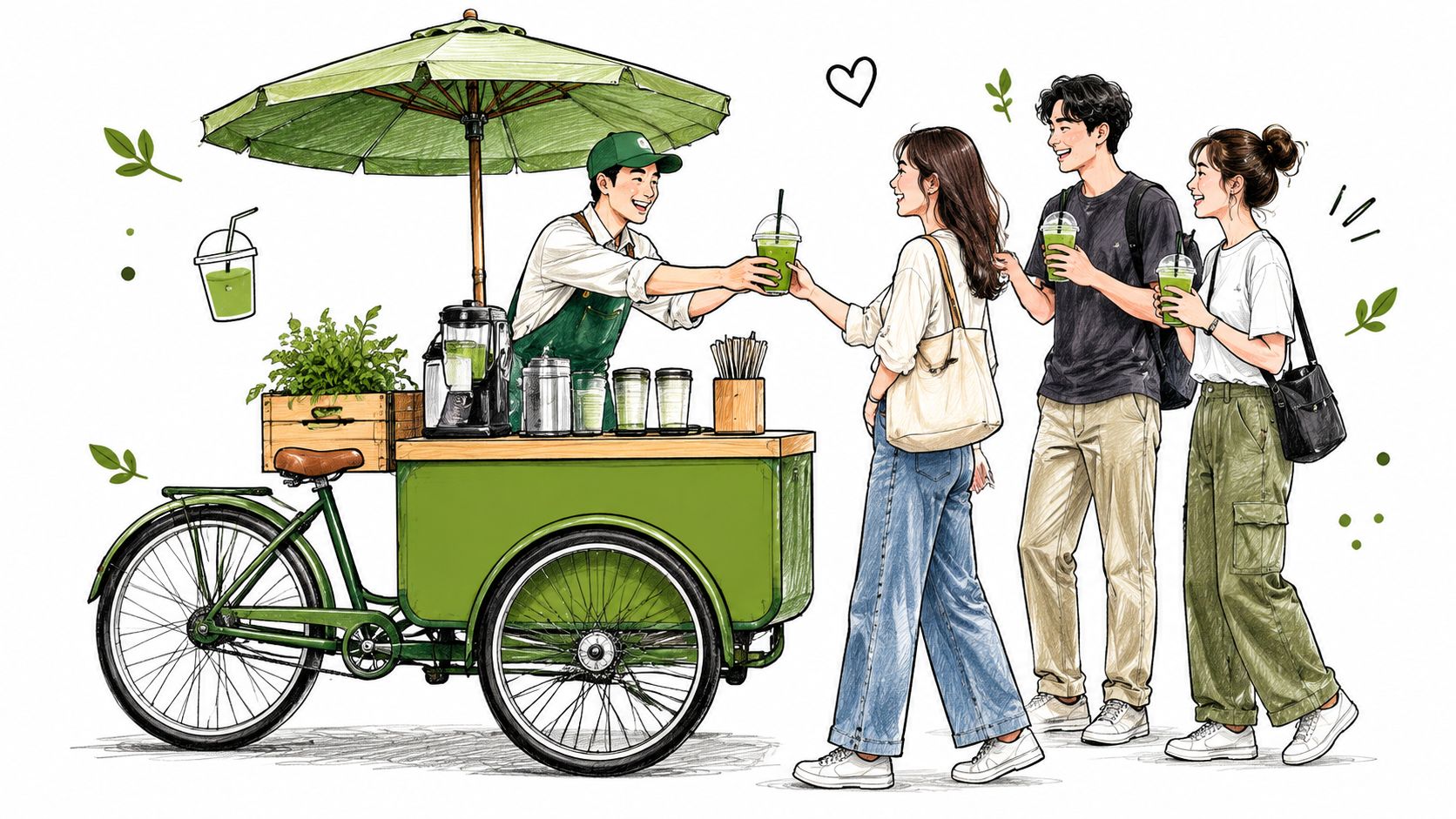
Say a beverage brand wants to introduce matcha near a university gathering space. Position the preparation area where passersby can see it, with ordering and pickup clearly separated. Keep the photo angle outside the queue so guests taking pictures don't stop service.
For a local operating reference, The Matcha Bike maintains a University of Miami campus presence alongside Miami event coverage. That combination makes location planning and preparation consistency especially important.
Confirm the operating footprint
- Permissions: Confirm property-owner approval, applicable vending or food-service requirements, and event permissions before announcing the stop.
- Service access: Account for the bike, staff movement, supplies, waste, and an accessible ordering position.
- Consistency: Use measured recipes, labeled ingredients, and a shared opening procedure across shifts.
A self-contained setup still needs a replenishment and cleanup plan. Don't assume compact means unrestricted, or that a vendor's credentials automatically authorize every location.
The video below provides another visual reference for the mobile format.
2. Campus Ambassador and On-Campus Sampling Program
Recruit ambassadors for their place in the campus community, not just their follower counts. A student who reliably organizes club activities may be more useful than a creator whose audience lives elsewhere.
For a University of Miami campaign, give ambassadors a specific assignment: introduce the sampling session through approved campus channels, help guests understand the menu, and record recurring questions. Keep food preparation with trained service staff rather than assuming every representative can handle drinks.
Sampling is a credible starting incentive. Free samples were cited by 60% of consumers as a reason for engaging with brands at events, according to EventTrack 2025 figures reported by ATN Event Staffing. That finding supports offering trial, not treating every sample recipient as a qualified lead.
Give ambassadors a usable brief
Provide approved ingredient descriptions, location information, disclosure instructions, and a clear escalation contact. Explain what they shouldn't promise, particularly about health benefits, discounts, or future availability.
- Deliverables: Specify the sampling responsibilities, content expectations, and feedback format.
- Attribution: Assign distinct QR destinations or redemption codes.
- Scheduling: Work around classes, campus permissions, and the academic calendar.
Direct interested campus participants to the Join page rather than scattering recruitment conversations across personal inboxes.
What fails is an ambassador program built entirely around posting. Give representatives something useful to host, explain, or learn, then evaluate participation and return visits alongside content.
3. Location-Based Social Drops
A location post should answer a practical question: Can I get there while you're still serving? A beautiful drink photograph without a clear location, service window, or availability update doesn't help someone make that decision.
For a campus beverage stop, publish the planned schedule through a predictable channel, then confirm the actual location when service begins. Include a recognizable landmark and a current menu view. If weather changes the plan, update the original announcement as well as posting a new Story.
Digital communication belongs around the live experience, not just after it. A 2025 academic study of experiential marketers' social-media activity identified pre-event engagement, capturing activation moments, platform integration, and post-launch momentum as distinct activation strategies.
A location drop is a service promise. Don't manufacture urgency around a stop you can't reliably operate.
Say a cart plans to serve beside a campus gathering area after classes. Prepare the announcement in advance, but publish the arrival confirmation only once staff, stock, and permissions are in place.
- Before service: Share the location, access instructions, and planned availability.
- During service: Correct delays, menu changes, and sellouts promptly.
- After service: Replace outdated directions with the next confirmed update.
Use a distinct destination link for each location to compare useful actions. Likes are secondary if followers still can't find the cart.
4. Limited-Edition Seasonal Flavor Launch
A seasonal flavor gives regular customers a reason to return without changing the whole experience. The strongest version adds novelty at the menu level while preserving a familiar ordering and preparation process.
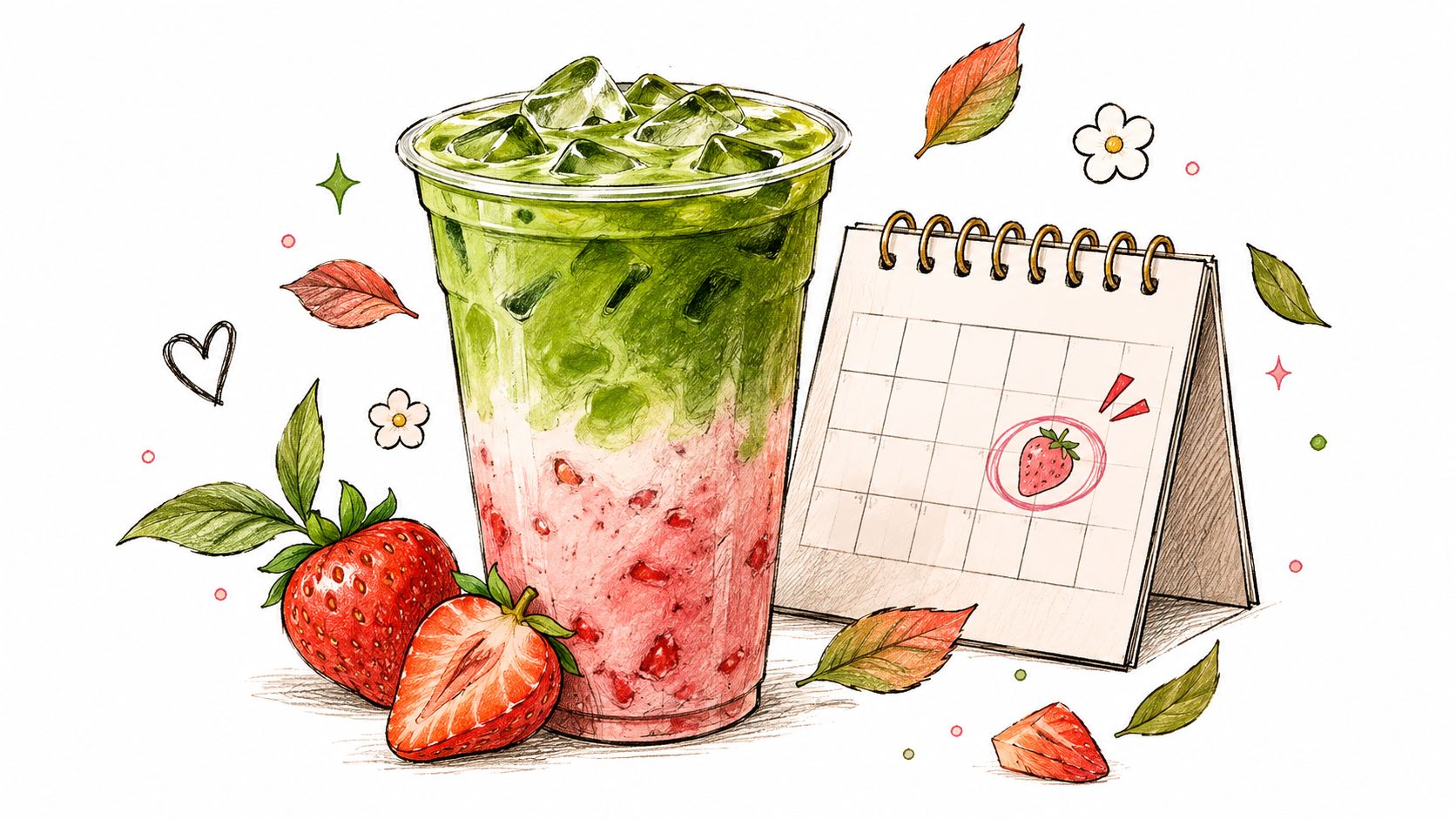
A strawberry-matcha launch, for example, can use a memorable name and a clear flavor description rather than a complicated backstory. Strawberry Dream is a returning favorite in the publisher's rotating menu, a concrete example of keeping a recognizable flavor within a changing selection.
The visual identity should make the flavor easy to recognize.
Test preparation before promoting scarcity
Run the recipe through a realistic service rehearsal. Check whether the fruit component separates, whether the garnish survives transport, and whether staff can reproduce the sweetness and presentation without repeated adjustments.
A seasonal drink that photographs well but takes too long to assemble can make the entire menu slower. Simplify the build before adding staff to compensate for it.
- Availability: State whether the offer ends on a planned date or when the prepared stock runs out.
- Feedback: Ask guests about flavor balance and willingness to order again.
- Inventory: Keep special ingredients separate from everyday stock so leftovers and waste remain visible.
Don't promise a returning favorite until ingredient supply and operating capacity are confirmed. Honest availability creates a better experience than artificial scarcity followed by inconsistent service.
5. Co-Branded Packaging Collaboration
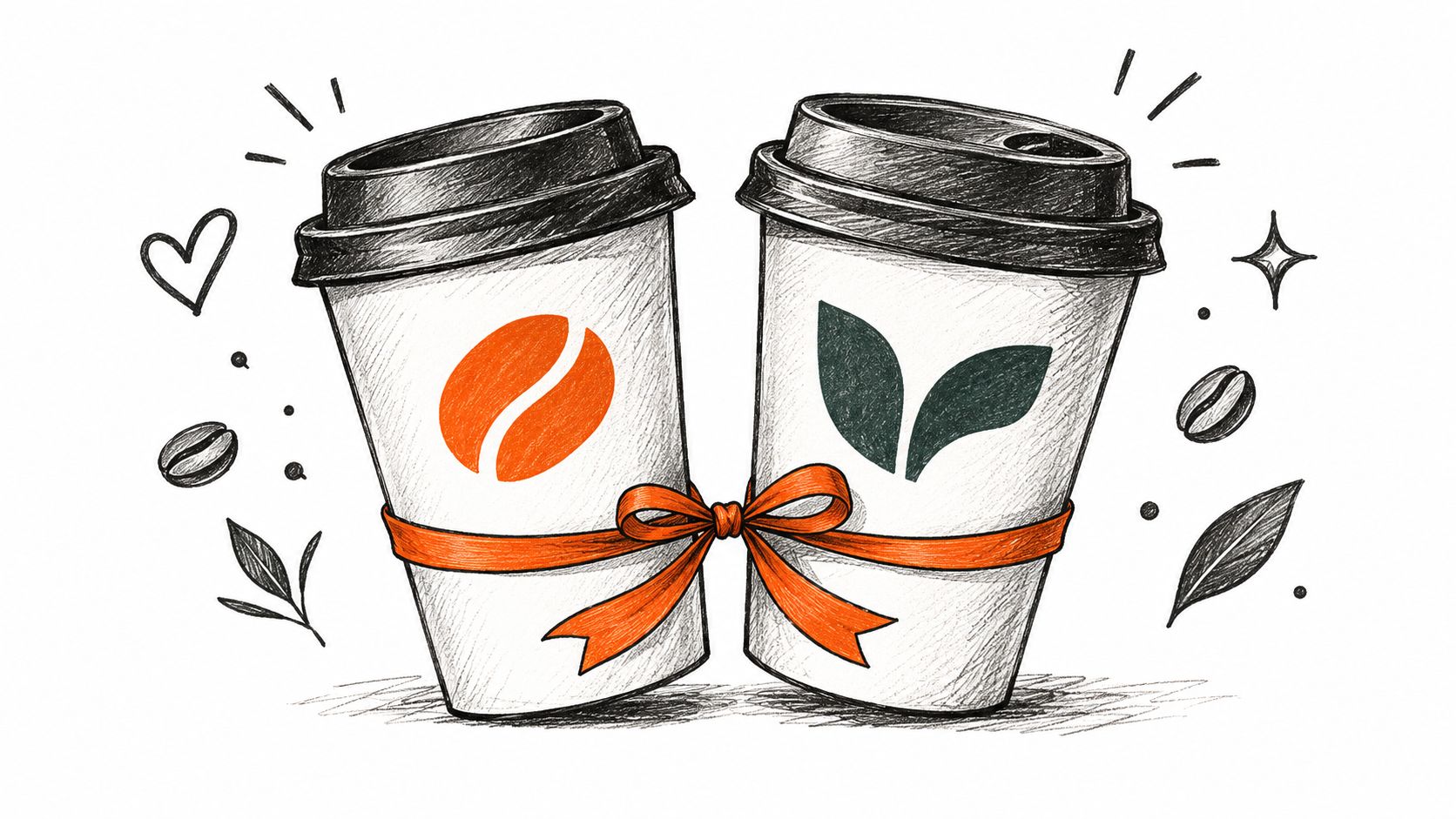
Packaging can connect a useful refreshment to the event that funded it. The design needs a clear hierarchy: guests should recognize the host, understand the drink, and know what action to take next.
Say a university organization sponsors a beverage station during an alumni gathering. A cup sleeve can carry the event identity while a small QR code opens the organization's recap or upcoming calendar. That's more coherent than covering the cup with competing logos and unrelated social handles.
Treat the packaging as part of the service experience, not a separate print project.
Approve a physical sample
Screen proofs won't reveal every problem. Check how the artwork looks on the actual material, whether condensation affects the label, and whether the QR code scans against the finished background.
- Artwork ownership: Name the person authorized to approve both brands' assets.
- Service fit: Confirm that lids, sleeves, labels, and storage containers work together.
- Fallback stock: Keep a usable alternative in case branded materials arrive damaged or become unavailable.
Custom packaging adds cost and approval work, so match the investment to the occasion. A reusable design template is sensible for a recurring partnership; highly date-specific packaging creates more leftover risk.
Above all, don't let branding obscure ingredient information or make the cup harder to handle. Guests should remember a good drink, not a leaking lid.
6. Experiential Event Beverage Partnership
A beverage station earns its place at an event by contributing to the experience. At a product launch, it might provide a welcoming first interaction; at a conference, it might create a natural pause for conversation.
The sponsor still needs to be recognizable. A peer-reviewed study of branded event experiences found that engagement with the host brand, rather than engagement with the event alone, influenced behavioral intentions such as loyalty. A popular station isn't automatically a successful sponsor activation.
For a Miami launch, connect the drink ritual to a simple brand message. Staff might explain the collaboration while preparing the order, then offer an optional route to learn more. Avoid turning every handoff into a sales pitch.
Separate hospitality from lead qualification
The barista's priority is safe, consistent service. If the campaign requires substantial conversations, assign another representative to handle them outside the pickup area.
- Placement: Choose a visible position without blocking entrances or emergency routes.
- Responsibilities: Agree on service hours, replenishment, waste handling, and shutdown authority.
- Venue readiness: Confirm loading access, utilities, floor protection, and documentation.
Our event inquiry page provides a starting point for sharing the location and occasion. We shape the drink experience around where the team needs to roll in.
Measure the station against the partnership objective. A hospitality activation may succeed through guest satisfaction, while a business-development campaign needs qualified follow-up conversations.
7. Wellness Activation Series
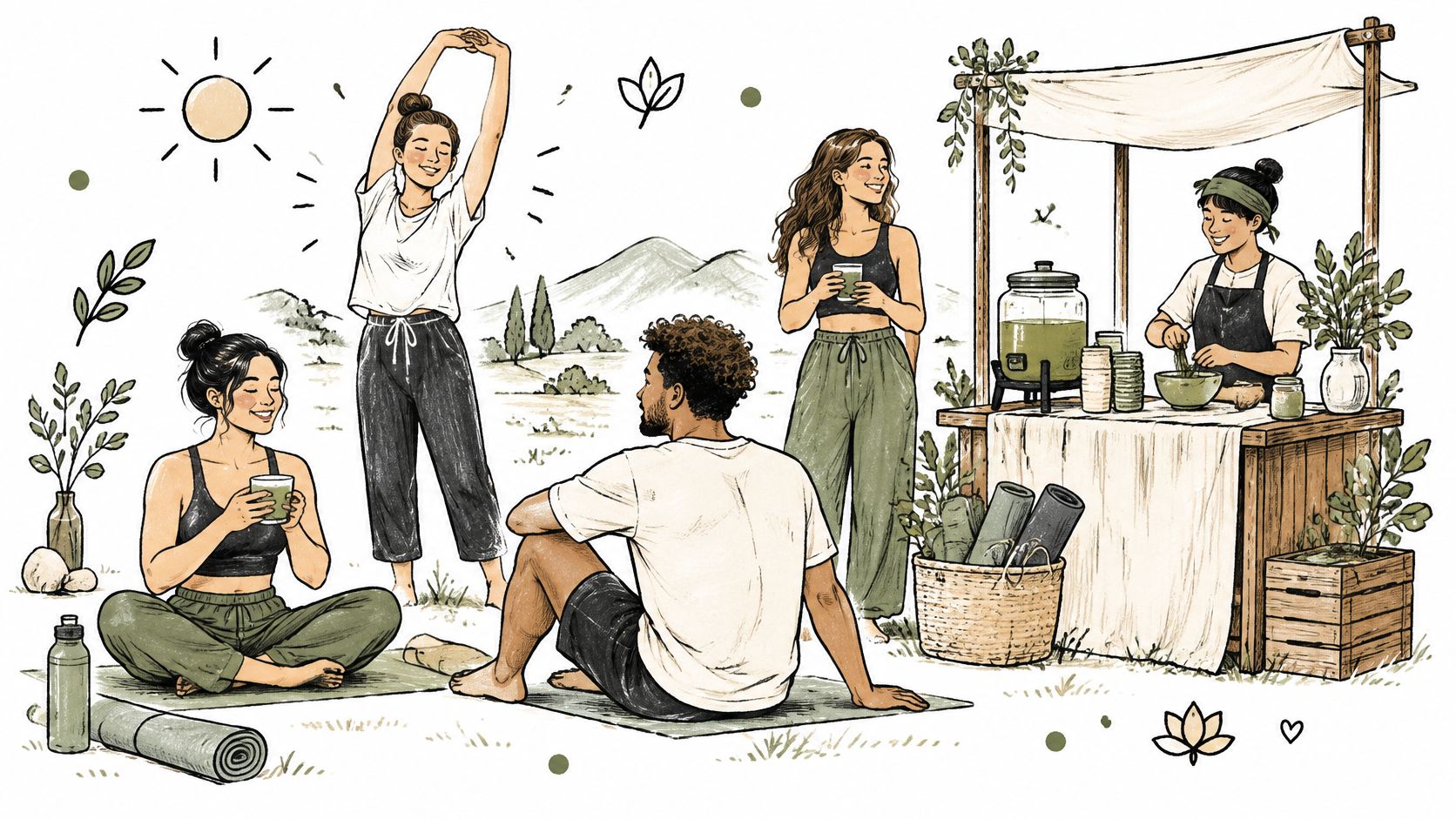
A recurring wellness gathering should feel welcoming even to someone who doesn't identify as a fitness enthusiast. A community walk followed by a drink can be more accessible than a demanding session built primarily for photographs.
For a workplace program, schedule the beverage service around the activity's actual finish rather than asking participants to queue before the instructor is ready. Keep a route open for people who want refreshments without joining the movement component.
The setup should support conversation and comfortable access.
Keep claims grounded: Describe ingredients, flavor, caffeine, and preparation accurately. Don't turn a wellness setting into an excuse for unsupported health promises.
Choose an instructor or community partner whose approach fits the audience. Agree on responsibilities for participant communication, activity supervision, weather decisions, and photography permission before promoting the gathering.
Make recurrence manageable
Use the same service layout and core preparation process wherever practical. Change the activity or theme only when the team can deliver it without adding confusion.
An RSVP form can help with stock planning, but don't collect a health history just to serve a beverage. Make attendance tracking proportionate to the event.
Track return participation separately from initial turnout. The useful question isn't whether people attended, but whether they want this gathering to become part of their routine.
8. Private Event and Wedding Signature Drink Menu
A signature drink should reflect the host without requiring guests to decode it. Pair the personal name with a plain-language description so someone can understand the flavor, milk choice, and caffeine content before ordering.
Say a Miami wedding uses a soft green and pink palette. A strawberry-matcha drink could fit the design, while the menu card explains the ingredients rather than relying only on a name meaningful to the couple.
The trade-off is customization versus service speed. Separate sweetness levels, elaborate garnishes, and unrestricted substitutions can turn a compact bar into a bottleneck when guests arrive together.
Finalize the recipe and the service plan
Hold the tasting early enough to adjust ingredients and printing before production commitments. Confirm dietary needs with the host, then distinguish between available substitutions and accommodations the setup cannot safely provide.
- Access: Document the load-in route, stairs, lift restrictions, and parking arrangements.
- Timing: Coordinate service with speeches, meal service, and venue turnover.
- Presentation: Approve cups, menu cards, garnish, and pickup layout together.
- Compliance: Confirm venue approval, applicable requirements, and insurance documentation in writing.
Our Miami operation is licensed and insured, but event approval still depends on the venue and circumstances.
Keep the final menu visible to staff as well as guests. A charming drink name won't help if the preparation team receives conflicting instructions from different members of the planning group.
9. Cause-Linked Campaign
A cause-linked activation needs a clear commitment before it needs a slogan. Guests should be able to understand who benefits, what triggers the contribution, and when the campaign ends.
For a campus fundraiser, a beverage brand could partner with a student organization supporting a local nonprofit. The campaign might link eligible drink sales to a stated contribution, with the terms approved before any cups or signs are printed.
Avoid vague language about proceeds. It leaves guests unable to judge the commitment and creates avoidable disagreement between the organizer, brand, and beneficiary.
Put the agreement ahead of the announcement
Confirm the beneficiary's identity and authorization to use its name. Document the contribution basis, eligible purchases, campaign period, any limits, payment arrangements, and responsibility for public updates.
- Clear terms: Put the essential commitment where guests decide whether to participate.
- Independent choice: Don't make public posting or personal-data submission a condition of supporting the cause.
- Closeout: Reconcile eligible transactions and publish the outcome after settlement.
For a mobile setup, use a dedicated sales category so staff don't have to reconstruct eligible orders afterward. Train ambassadors and baristas to explain the same terms.
What doesn't work is attaching a cause to an otherwise unrelated promotion and expecting goodwill to follow. Choose a partner with a meaningful connection to the community, and make the financial commitment easier to verify than the promotional claim.
10. Creator and Influencer Tasting Events
Invite creators who can bring the right local audience, not just the largest audience. A Miami food creator, campus organizer, or wedding-focused creator may serve very different campaign objectives.
For a tasting before a seasonal launch, stagger arrivals so creators can watch preparation without surrounding the working bar. Provide a clean filming angle and a place to taste away from ordering and pickup.
The brief should explain the ingredients, intended audience, availability, and collaboration terms. It shouldn't dictate an enthusiastic reaction or require creators to repeat claims they can't verify.
Separate content production from guest service
A creator may need another take; a waiting guest needs a drink. Schedule detailed filming outside the busiest service period, and keep production requests with a designated host rather than the barista.
- Audience fit: Review location relevance, typical subjects, and meaningful audience interaction.
- Disclosure: Require clear identification of sponsored or gifted relationships as applicable.
- Usage rights: Agree separately on reposting, editing, paid promotion, and image permissions.
- Follow-up: Send accurate location and availability information before content goes live.
Don't treat every invitation as a guaranteed post unless that deliverable is explicitly agreed. Paid production and an informal tasting invitation are different arrangements.
Evaluate the outcome through relevant visits, inquiries, redemptions, and usable content with permission. A visually polished post can still be a poor result if its audience can't attend or buy.
10 Brand Activation Ideas at a Glance
| Idea | Best For | Budget Level | Key Challenge |
|---|---|---|---|
| Mobile Pop-Up Beverage Activation | Reaching audiences at campuses, events, and busy public spaces | Moderate to high; staffing and vehicle costs grow with fleet size | Permits, weather, parking, and vehicle upkeep |
| Campus Ambassador and On-Campus Sampling Program | Building peer-led awareness and loyalty within a campus community | Low to moderate; depends on compensation and sampling needs | Recruiting, training, and maintaining consistent ambassador activity |
| Location-Based Social Drops | Driving visits to changing locations through timely social updates | Low; mainly requires staff time and content | Posting consistently and avoiding missed or late updates |
| Limited-Edition Seasonal Flavor Launch | Encouraging repeat visits with timely, novel menu offerings | Moderate; requires ingredient sourcing and recipe planning | Forecasting demand to limit waste and disappointment |
| Co-Branded Packaging Collaboration | Extending a partnership through collectible, event-specific packaging | Moderate to high; custom printing may require minimum orders | Coordinating approvals and production timelines |
| Experiential Event Beverage Partnership | Engaging guests through branded service at events | Moderate to high; event fees, staffing, and supplies add up | Standing out while maintaining drink quality during service |
| Wellness Activation Series | Building recurring community around wellness activities and drinks | Moderate; requires ongoing events and partner coordination | Maintaining attendance and making only substantiated health claims |
| Private Event and Wedding Signature Drink Menu | Personalizing beverage service for weddings, parties, and corporate events | Moderate to high; custom service and menu development | Managing approvals, dietary preferences, and changing guest counts |
| Cause-Linked Campaign | Connecting purchases with a community or nonprofit cause | Flexible; depends on donation commitments and campaign scope | Maintaining transparency and managing donation-related compliance |
| Creator and Influencer Tasting Events | Generating creator content and reaching relevant local audiences | Moderate; costs include the event, products, and gifting | Selecting effective creators and ensuring proper sponsorship disclosure |
Pick One Idea and Run It Properly
The best starting point isn't the most elaborate concept. Choose the format you can deliver consistently for a clearly defined audience, then repeat it long enough to learn what needs changing.
A campus program needs dependable location communication. A wedding needs coordinated timing and an approved menu. A brand launch needs an obvious connection between the hospitality and the sponsor.
Write the operating brief before booking production
Define the primary outcome before ordering wraps, cups, or signage. Trial, repeat visits, qualified inquiries, and guest hospitality require different interactions, so don't judge them all by the same attendance total.
Then document the practical constraints: approved placement, loading access, ingredient storage, replenishment, accessible ordering, weather contingencies, and breakdown. Rehearse the actual preparation sequence with the intended equipment rather than estimating capacity from a quiet demonstration.
Industry guidance increasingly favors experiences that operators can repeat, as described in EMARKETER's coverage of unexpected but repeatable activations. That's a useful discipline for compact service: preserve the enjoyable moment while removing unnecessary complexity.
Measure useful behavior without over-collecting
Use an event-specific QR destination, an optional feedback question, or a redemption code tied to the objective. Explain what happens when someone submits contact details, and keep promotional consent separate from basic participation.
The World Federation of Advertisers' sponsorship guidance identifies measurement and demonstrating return as a persistent practitioner challenge. Collecting more personal information won't solve an unclear objective.
Separate exposure, experience, and commercial outcomes, a distinction reflected in Air Fresh Marketing's experiential measurement guide. Count servings, but also review queue problems, feedback, relevant inquiries, and subsequent redemptions.
An activation day can establish participation and immediate response. Repeat visits, booked events, and sustained preference require follow-up; don't claim long-term loyalty from a favorable tasting survey.
The Matcha Bike has carried out a brand activation with Alo Wellness Club in Miami and operates a three-bike fleet across campus and city service. The useful lesson isn't to copy every visible detail. It's to connect a recognizable experience with a setup the team can operate reliably.
Start with a single audience, a clear purpose, and an approved location. Run the activation, record what happened, fix the friction, and only then expand the calendar.
---
The Matcha Bike offers Miami event activations with custom menus and flavors, co-branded cans and cups, and a self-contained compact setup. Visit The Matcha Bike to share your event location, audience, and campaign objective so our team can shape the drink experience around your plans.